Simple Care Keeps Trees Stronger, Safer, and Less Likely to Fail During Storms
Proper tree maintenance helps stop storm damage by finding weak branches early, improving tree structure, and lowering the chance of broken limbs, split trunks, or uprooted trees. A healthy tree handles wind and heavy rain better than a neglected one. In Walker, LA, regular care can also help homeowners avoid roof damage, fence damage, blocked driveways, and expensive cleanup after rough weather.
Why Prevention Matters
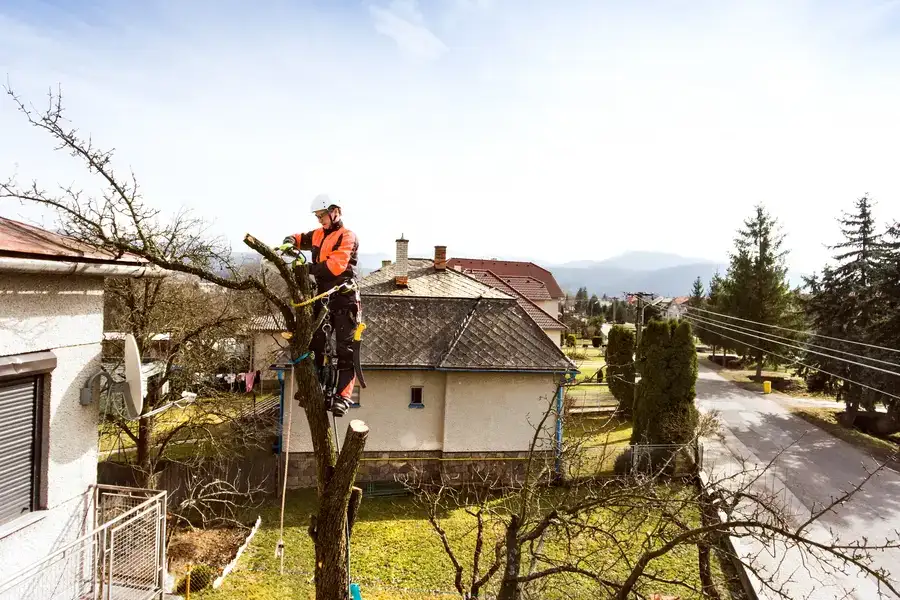
Storm damage often starts long before the storm arrives. A tree may look fine from the ground, but dead limbs, poor branch angles, decay, or root stress can make it weak. Strong winds then expose those hidden problems fast. Basic trimming, inspections, and routine care help fix small issues before they turn into major repairs. This is why tree maintenance is not just about looks. It helps protect homes, cars, power lines, walkways, and other parts of the property.
Prevention also saves time. Cleaning up a fallen limb after a storm is harder than removing a weak one ahead of time. A split branch can tear bark, invite pests, and leave a tree in worse shape for years. Regular service in this service category supports better growth and reduces risk at the same time.
Early Warning Signs
Many trees give warning signs before they fail. The key is catching them early. Some signs are easy to see, while others take a closer look. If a tree leans more than it used to, drops large branches, or has bare spots in the canopy, it may need attention soon.
- Dead, hanging, or cracked limbs
- Branches rubbing against each other
- Large cavities or soft wood on the trunk
- Mushrooms growing near the base
- Roots lifting soil or sidewalk sections
- Leaves thinning out in one area
- Split branch unions shaped like a tight V
- Limbs growing over the roof or driveway
These signs do not always mean a tree must be removed. Still, they often point to weak spots that can get worse during high winds, hard rain, or ice. Regular tree maintenance helps spot these risks before they lead to damage.
Seasonal or Routine Checklist
A simple routine makes tree care easier. Different seasons bring different risks, so it helps to check trees throughout the year. A routine plan is one of the best ways to lower storm-related problems.
- Inspect the canopy for dead or broken limbs.
- Check the trunk for cracks, decay, or missing bark.
- Look at the base for root damage, fungi, or soil movement.
- Trim branches that hang over roofs, sheds, or play areas.
- Clear branches away from power lines and structures.
- Remove weak growth that crowds the center of the tree.
- Watch for signs of pests or disease during warm months.
- Water during dry periods to reduce stress on roots.
- Add mulch around the base, but keep it off the trunk.
- Schedule a professional inspection before storm season.
This kind of checklist supports healthy growth and helps trees keep a balanced shape. Balanced trees usually handle wind better because weight is spread more evenly through the canopy.
Best Practices for Long-Term Results
Good tree care is steady, not rushed. One heavy trim does not replace years of proper upkeep. Trees respond best when pruning is done with a clear goal, such as removing dead wood, improving spacing, or reducing weight on long limbs. Cuts should support the tree’s natural shape, not leave it bare or uneven.
Mulching can help too. A mulch ring holds moisture, protects roots from mower damage, and improves soil over time. Water also matters. Trees under stress from drought are more likely to drop limbs or decline, which raises the chance of storm failure later.
Planting choices play a role as well. A tree planted too close to a house, driveway, or other trees may develop poor form as it grows. Planning ahead can reduce future pruning needs and lower the risk of costly property damage. Long-term tree maintenance works best when pruning, watering, soil care, and monitoring all work together.
What Not to Do
Some common tree care mistakes make storm damage more likely. Topping a tree is one of the worst examples. It removes too much canopy at once and leads to weak, fast regrowth. Those new shoots often break easily in wind. Another problem is cutting large limbs without the right method. That can tear bark, leave big wounds, and start decay.
People also wait too long. A small crack or dead branch may not seem urgent on a calm day. After a storm warning, it can become a real hazard. Ignoring root issues is another mistake. Healthy roots anchor the tree. If roots are cut during digging or compacted by heavy traffic, the whole tree may become unstable.
- Do not top trees
- Do not remove too much at one time
- Do not leave stubs after pruning
- Do not damage roots with trenching or parking
- Do not hang heavy items from weak limbs
- Do not ignore sudden leaning or soil lifting
When to Schedule Professional Help
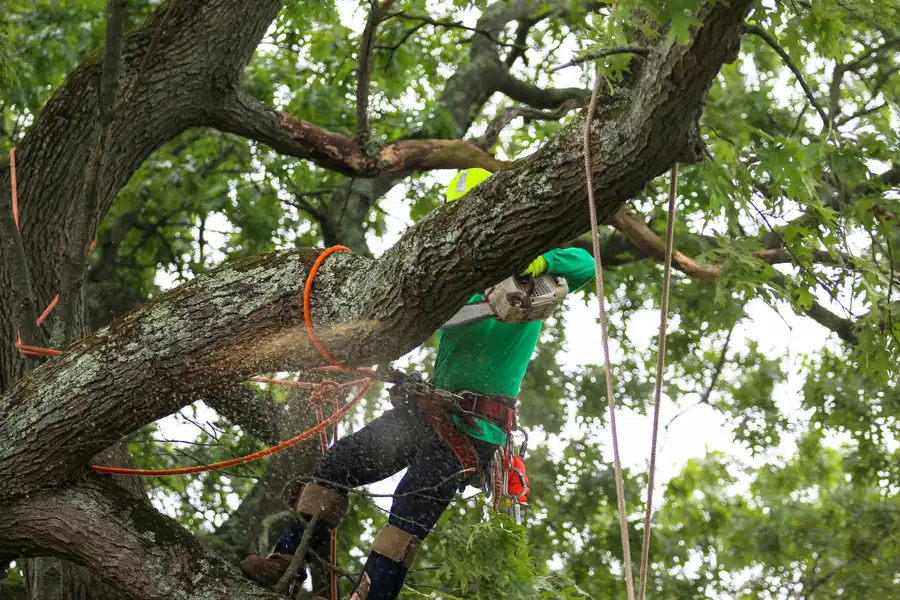
Some jobs are too risky for a ladder and hand saw. Large limbs, tall trees, branches over structures, and trees with storm damage need trained help. The same goes for trees near utility lines or trees showing signs of decay. A professional can inspect structure, identify weak branch unions, and recommend safe pruning or removal when needed.
Scheduling help before storm season is often the smart move. That gives time to correct hazards before high winds arrive. It can also help property owners make a plan for older or high-risk trees. If a tree has dropped limbs in past storms, that is a strong sign it needs a closer look. Regular tree maintenance from trained crews can reduce risk, improve health, and help protect the whole yard.
Get Help Before the Next Storm
If you want safer, healthier trees in Walker, LA, we can help inspect problem areas and recommend the right next steps. Contact Independent Arborist to set up service or ask questions about storm risk, pruning, or long-term care. Call us at (225) 938-6042, and our team will help you make a plan that fits your property.