
Why Removing the Leftover Stump Helps Protect Your Yard
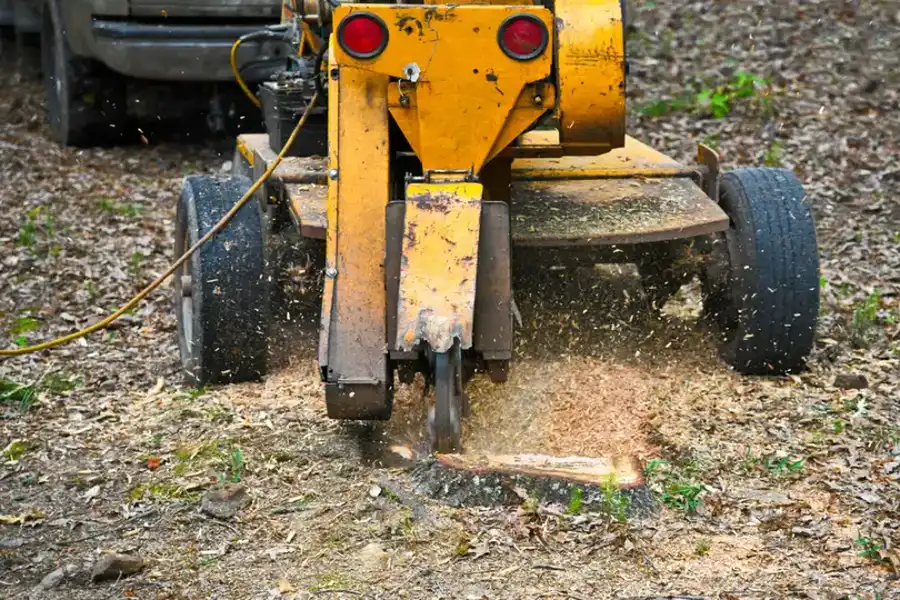
Stump grinding helps stop pest problems and root regrowth by breaking down the old stump before it can keep feeding insects, fungi, and leftover roots. A stump left in the yard may seem harmless at first, but it can turn into a hiding place for termites, ants, beetles, and other pests. It can also keep sending up small shoots from the old root system. In Walker, LA, removing the stump early can help keep the yard cleaner, safer, and easier to maintain.
Why Prevention Matters
Old tree stumps do more than take up space. As they decay, they hold moisture and soften over time. That makes them attractive to pests looking for food and shelter. Some insects stay in the stump. Others may move closer to healthy trees, plants, or even nearby structures. At the same time, some stumps keep parts of the root system alive. That can lead to surprise sprouts across the lawn or garden bed.
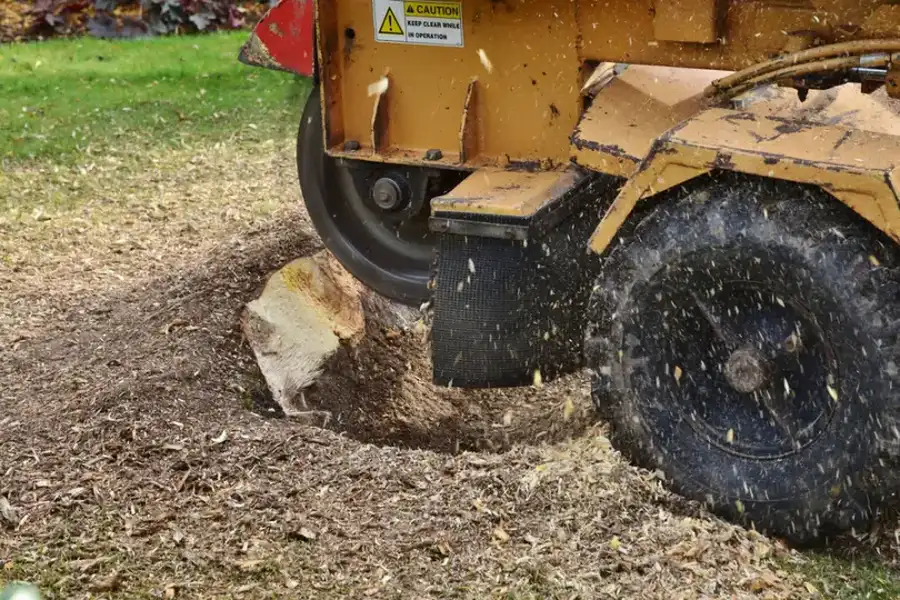
When stump grinding is done soon after tree removal, it cuts off many of these problems at the source. The stump is reduced below ground level, which helps stop insect activity and lowers the chance of fresh shoots. This kind of work is often part of proper tree care and outdoor service planning.
Early Warning Signs
It helps to catch stump trouble early. A yard may show small signs before the problem gets worse. If you know what to watch for, you can act before pests spread or roots keep growing.
- Small piles of sawdust or wood dust near the stump
- Ant trails going in and out of cracks
- Soft, wet, or hollow wood
- Mushrooms or fungal growth around the base
- New green shoots popping up near the stump
- Raised soil or roots pushing through the lawn
These signs do not always mean major damage is happening right away. Still, they are good reasons to inspect the area and make a plan.
Seasonal or Routine Checklist
A simple yard check during the year can help prevent hidden stump issues. This is very useful after storms, heavy rain, or warm weather, when decay and insect activity often increase.
- Walk the yard and check all old stumps and exposed roots.
- Look for soft wood, cracks, bugs, or fresh shoots.
- Check the ground around the stump for moisture buildup.
- Trim weeds or tall grass so the area stays visible.
- Watch for pest movement toward fences, sheds, or foundations.
- Schedule stump grinding if the stump is active or decaying.
This routine does not take long, but it can save time and yard repair later.
Best Practices for Long-Term Results
If the goal is to stop pests and root regrowth for good, the work needs to go beyond ignoring the stump or cutting it flat at the surface. stump grinding works best when the stump is ground low enough to remove the main wood mass that supports insects and leftover growth. After that, the area should be cleaned and monitored.
Good long-term results often include removing grindings if needed, filling the area with soil, and keeping the spot level. This makes mowing easier and helps the yard recover. If roots near the surface are still active, they may need more attention. In some cases, the tree species matters. Some species are more likely to send up new shoots than others, so fast action can help.
Another smart step is keeping healthy trees in good shape. Pests often move from weak, decaying wood to other parts of the landscape. By removing the old stump, you lower that risk.
What Not to Do
Many people try quick fixes that do not solve the real problem. A stump may look less noticeable after a while, but hidden decay and roots can still cause trouble below the surface.
- Do not leave a rotting stump in place for years
- Do not cover it with mulch and forget about it
- Do not assume cut shoots will stop growing on their own
- Do not burn a stump without checking safety rules
- Do not use random chemicals without knowing the risks
These steps may seem easy, but they often lead to more work later. For example, covering a stump can trap moisture and make insect activity harder to spot. Cutting shoots over and over may not stop the root system from trying again.
When to Schedule Professional Help
Some stumps are small and quiet. Others turn into a bigger yard issue fast. Professional help is a smart choice when the stump is large, close to buildings, surrounded by hard roots, or already showing pest activity. It is also a good idea when new shoots keep appearing even after repeated cutting.
A professional can check the stump, the root spread, and the risk to nearby landscaping. They also have the right equipment to complete stump grinding safely and more fully than most basic home tools can manage. That matters if the stump sits near walkways, utility areas, fences, or planting beds.
If the yard has more than one old stump, it may be best to handle them together. This can make the property easier to maintain and reduce new hiding spots for insects.
Get Help With the Next Step
If you have an old stump causing trouble in Walker, LA, we can help you decide the best next step. Contact Independent Arborist to talk about your yard and set up service. Call us at (225) 938-6042, and we’ll help remove the stump so your outdoor space stays cleaner, safer, and easier to manage.