
Why Late Summer Is a Smart Time to Clear Old Tree Stumps
Scheduling stump grinding before fall is a smart move because the ground is usually easier to work with, yard use is still active, and hidden stump problems can get worse once leaves start falling. In Walker, LA, many property owners want a safer, cleaner yard before cooler weather arrives. Removing an old stump before fall can help stop trip hazards, cut down on pests, and make fall lawn care much easier.
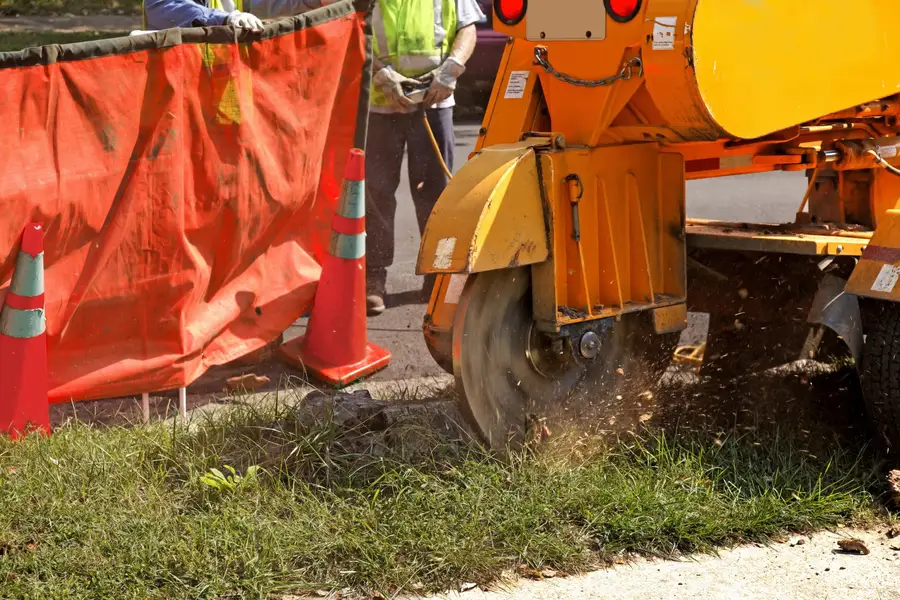
Why Prevention Matters
An old stump may seem harmless at first. It just sits there in the yard. But over time, it can cause more trouble than many people expect. A stump can grow fungus, attract bugs, and get in the way of mowing. It can also hide under leaves once fall begins, which makes it harder to see and easier to trip over. That is why stump grinding works well as a prevention step, not just a cleanup job.
Fall also brings more moisture in many areas. When a stump holds water, decay can speed up. That can draw termites, ants, beetles, and other pests closer to the yard. If the stump is near a walkway, patio, or planting bed, the problem can spread into spaces you use often. Taking care of the stump before fall helps avoid these issues while conditions are still easier for tree service crews to manage.
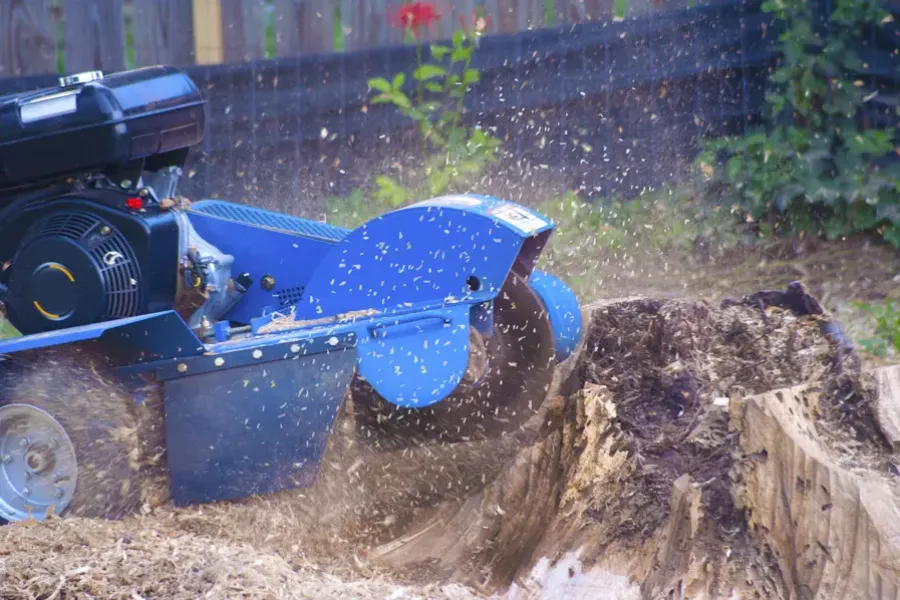
Early Warning Signs
Some stumps clearly need attention right away. Others are easy to ignore until they become a bigger problem. A few warning signs can tell you it is time to act before the season changes.
- The stump has visible rot or soft wood.
- Mushrooms or fungus are growing on or near it.
- Insects are active around the base.
- The stump is hard to see from certain angles.
- Roots are lifting soil or affecting grass growth.
- You hit the stump when mowing or trimming.
- New shoots are growing from the old root system.
If you notice one or more of these signs, waiting until later can make yard work harder. Leaves will soon start covering the area. Wet ground and cooler weather can also slow down cleanup plans.
Seasonal or Routine Checklist
Before fall begins, it helps to walk through your yard and look for problems that may get worse in the next few months. A simple checklist can help you decide if stump grinding should be part of your seasonal yard plan.
- Check every old tree removal spot in the yard.
- Look for low stumps hidden by grass or plants.
- See if roots are spreading near paths or driveways.
- Watch for signs of bugs, rot, or fungus.
- Think about where leaves will pile up in fall.
- Ask if the stump is in the way of mowing or cleanup.
- Plan service before rainy or colder weeks begin.
This kind of routine check is helpful for homes, rentals, and commercial lots. It is also useful before holiday yard use, outdoor events, or fall landscaping work. If you are adding sod, mulch, or new plants, removing the stump first gives you a cleaner base to work from.
Best Practices for Long-Term Results
The best time for stump grinding is often before the busiest fall yard season starts. This gives the area time to settle and allows you to handle any extra cleanup while the weather is still mild. It also helps if you want to reseed grass or level the ground after the job is done.
Professional stump removal is often better than leaving the wood to break down on its own. Natural decay takes a long time. During that time, the stump may stay ugly, unsafe, and attractive to pests. Grinding it down reduces the visible stump and helps open the space for better use.
It also helps to think about the stump’s location. A stump near a fence, sidewalk, play area, or driveway may pose a bigger issue than one at the edge of a wooded lot. The sooner those high-traffic spots are cleared, the lower the chance of injury or equipment damage later.
What Not to Do
Many people put off stump work because the stump does not seem urgent. Others try methods that create more mess or risk. A few common mistakes can turn a simple fix into a bigger yard problem.
- Do not wait until the stump disappears under leaves.
- Do not try to burn the stump in the yard.
- Do not hack at roots with random tools.
- Do not assume a dead stump is no longer a pest risk.
- Do not mow too close and damage your equipment.
- Do not leave fresh shoots growing from the stump.
Burning can be unsafe and may not fully solve the problem. Digging by hand can take a lot of time and may damage nearby landscaping. Waiting too long can also make the area harder to access once the season changes.
When to Schedule Professional Help
Professional help makes the most sense when the stump is large, close to structures, or tied to a wider root system. It is also the better choice when the stump is in a spot used by kids, guests, customers, or lawn equipment. A trained crew can handle the work faster and with less guesswork.
Late summer and early fall are often busy times for outdoor projects. That is another reason to schedule stump grinding early. If you wait until leaves are falling and lawns are wet, it may be harder to fit the work into your yard care plans. Early scheduling can help you stay ahead of seasonal delays and yard hazards.
If the stump is causing repeated mowing trouble, holding moisture, or sending up new growth, that is a strong sign to act now. Professional service can help reclaim the area and make the yard easier to manage through fall and beyond.
Ready to Clear the Yard Before Fall
In Walker, LA, we help property owners take care of old stumps before they turn into bigger yard problems. Our team at Independent Arborist can answer questions, explain the process, and help you plan the right next step for your property. Call us at (225) 938-6042 if you want a safer, cleaner outdoor space before the season changes.