Simple Steps That Help Trees Stay Safe, Strong, and Healthy in Every Season
A seasonal checklist helps you catch small tree problems before they grow. Healthy trees need the right care in spring, summer, fall, and winter. That means checking for dead limbs, watching soil moisture, trimming at the right time, and looking for signs of pests or disease. In Walker, LA, this kind of routine care can help trees handle heat, storms, and changing weather with less stress.
Why Prevention Matters
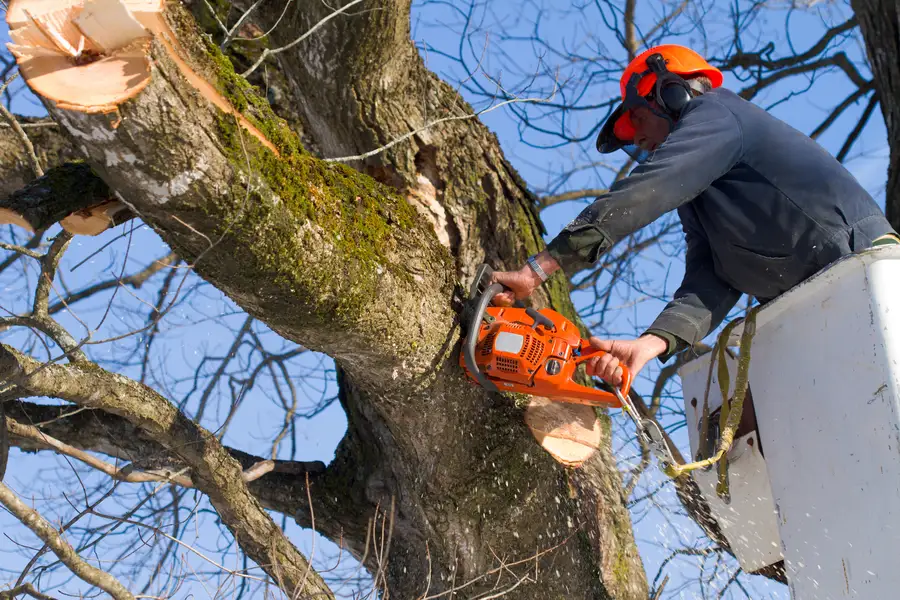
Regular tree maintenance is one of the best ways to protect your yard. A tree may look fine from a distance, but hidden cracks, root stress, and weak limbs can build over time. Small issues are often easier to fix early. Preventive care also helps trees grow better, keeps branches away from roofs and wires, and lowers the chance of storm damage.
Good care is not just about looks. It can also support safety, shade, and property value. Even basic service category checks like cleanup, trimming, and soil care can make a big difference over the year.
Early Warning Signs
Trees usually show signs when something is wrong. The key is to spot them early. A healthy tree should have stable growth, normal leaf color, and a strong trunk. When that changes, it may need attention.
- Dead or hanging branches
- Leaves that turn brown too soon
- Thin leaf cover during the growing season
- Cracks in the trunk or large limbs
- Fungus growing near the base
- Soil pulling away from roots
- New lean after wind or rain
- Holes, sawdust, or insect activity on bark
If you see one of these signs, keep watching the tree. If you see several at once, the problem may be more serious.
Seasonal or Routine Checklist
A simple plan by season can make tree maintenance easier. Each season brings different needs. Try this checklist as a starting point.
- Spring: check for winter damage, broken limbs, and weak branch unions. Remove small dead twigs and look for new growth problems.
- Spring: add mulch around the base, but keep it away from the trunk. Water young trees if rain is light.
- Summer: watch for dry soil, leaf scorch, and pest activity. Deep watering helps more than frequent light watering.
- Summer: inspect branches after storms. Heavy limbs over driveways, play areas, or roofs may need trimming.
- Fall: clean up fallen leaves and debris around the base. This can lower disease pressure and help you spot root flare issues.
- Fall: prune only when proper for the tree type. Some trees do better with dormant season pruning.
- Winter: inspect the bare branch structure. It is easier to see crossing limbs, rubbing branches, and weak form.
- Winter: check stakes, wraps, and guards on young trees. Remove or adjust them if they are too tight.
This routine gives you a clear way to track tree health all year. Write down changes you notice so you can compare season to season.
Best Practices for Long-Term Results
Healthy trees do best with steady care, not random fixes. Water deeply when needed, especially for young trees and during dry spells. Keep mulch in a wide ring to help soil hold moisture. Avoid mowing too close to the trunk. Bark wounds from lawn tools are common and can lead to decay.
Prune with a purpose. Remove dead, damaged, or rubbing branches first. Do not cut too much at one time. Over-pruning can stress a tree and lead to weak regrowth. It also helps to learn the needs of each species on your property. Some trees need more room, while others need more frequent checks for pests or disease.
Soil health matters too. Compacted soil can limit root growth and water flow. If roots are covered by too much soil or mulch, the tree may decline slowly. A healthy root zone is just as important as the canopy above.
What Not to Do
Some common yard habits can harm trees without people knowing it. Avoid topping large trees. This creates weak new shoots and can shorten the tree’s life. Do not pile mulch like a volcano against the trunk. That can trap moisture and invite rot or pests.
Be careful with DIY pruning from ladders, especially near power lines or large limbs. Do not ignore exposed roots, trunk splits, or a sudden lean. And do not water on a fixed schedule without checking the soil first. Too much water can be just as harmful as too little.
Another mistake is waiting until a branch falls to act. A simple inspection once or twice a year can catch many issues before they become expensive repairs or safety hazards.
When to Schedule Professional Help
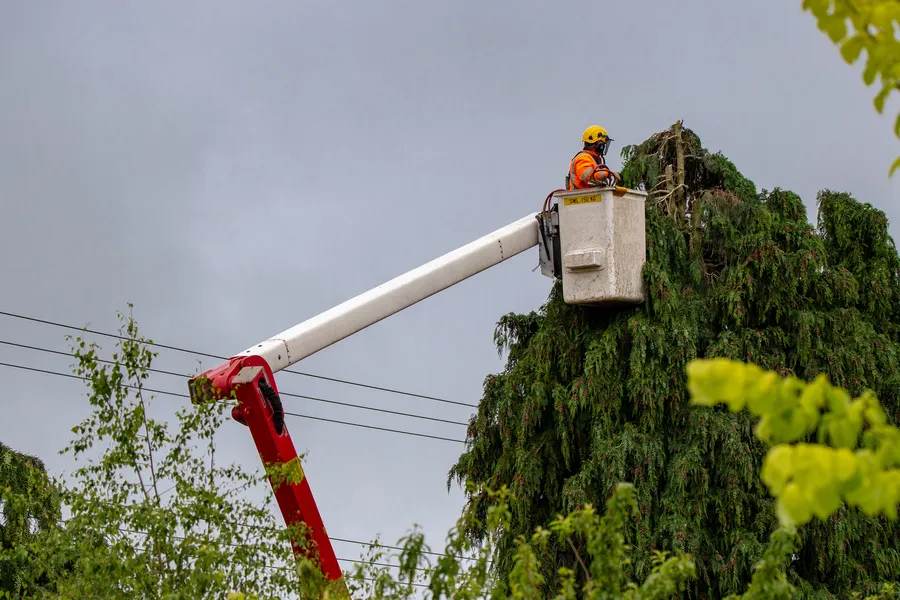
Some jobs are better left to trained crews. Large pruning cuts, storm damage, pest problems, and trees near buildings all call for extra care. A professional can check structure, root health, and signs of decay that are easy to miss from the ground.
You may want expert help if a tree has:
- Large dead limbs high in the canopy
- A split trunk or deep crack
- Root damage from construction
- Branches touching utility lines
- Signs of disease spreading through the crown
- A major lean or lifted soil at the base
Routine inspections can also help if your trees are older or if your property has many mature shade trees. Good timing matters with tree maintenance, and a trained eye can help you plan the right work for the right season.
Get Help With a Year-Round Care Plan
If you want help building a simple plan for your trees in Walker, LA, contact us for guidance and seasonal service. At Independent Arborist, we can inspect tree health, explain next steps, and help you schedule the right care at the right time. Call us at (225) 938-6042 to get started with a year-round approach that supports safer, healthier trees.