Trained Crews Lower Risk, Protect Property, and Handle Hard Cuts the Right Way
Hiring trained experts for tree cutting is safer because the work can turn dangerous fast. A branch can swing the wrong way, a ladder can shift, or a saw can kick back in seconds. Professionals use the right tools, plan each cut, and know how to manage weight, height, and fall zones. That helps protect people, homes, cars, fences, and power lines. For many property owners in Walker, LA, expert help is the safer choice when a tree is large, weak, or close to anything valuable.
Quick Decision Answer
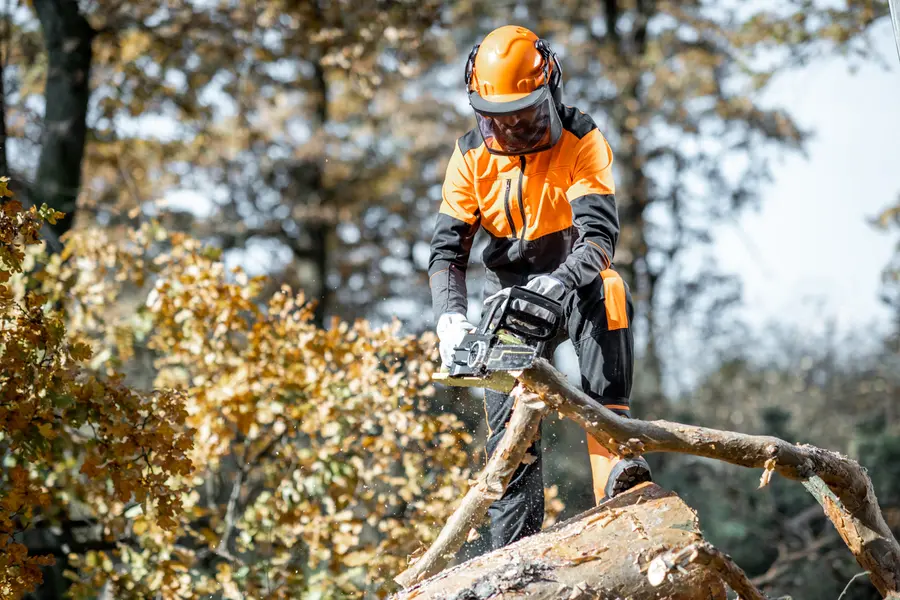
If the tree is small, open, and far from structures, some people may think about doing the job on their own. Even then, risk is still present. Once a tree is tall, damaged, leaning, or near wires, roof lines, sheds, or sidewalks, a professional crew is the better option. Tree cutting is not just about using a saw. It is about reading the tree, knowing where pressure sits, and making cuts in the right order.
Doing It Yourself Vs Hiring a Professional
The choice often comes down to safety, time, cost of mistakes, and the level of skill needed. A simple limb on a young tree may seem easy. But many jobs are not simple once you get close and start cutting. Trees can be hollow inside, cracked from storms, or tangled with other limbs. That changes how they fall.
- doing it yourself may seem faster for very small jobs
- hiring a professional is safer for large, dead, or leaning trees
- doing it yourself may save a service visit, but mistakes can cost more
- hiring a professional helps reduce damage to yards and nearby structures
- doing it yourself often means limited equipment and no backup help
- hiring a professional brings trained workers, rigging, and cleanup plans
Even in a broad service category, safe cutting work depends on planning, skill, and the right gear. It is not only about taking a tree down. It is also about controlling every part of the job from first cut to final cleanup.
Pros and Cons of Each Option
There are times when people compare the two options based on control and budget. That makes sense, but the real issue is risk. A low branch may be one thing. A heavy limb over a driveway is something else.
- pros of doing it yourself: flexible timing, direct control, may work for tiny ground-level cuts
- cons of doing it yourself: injury risk, poor cut placement, tool misuse, falling limbs, property damage
- pros of hiring a professional: trained technique, safer setup, proper gear, team support, better cleanup
- cons of hiring a professional: scheduling a visit and paying for skilled labor
Many people focus on the saw, but the saw is only one part of the job. The bigger issue is control. Professionals control where limbs go, how sections are lowered, and how the site stays safer while work happens.
Best Fit by Situation
Some situations clearly call for expert help. Others may seem easy at first but are not. A few examples can help.
- small branch on a young tree with both feet on the ground: lower risk, but still use care
- limb above a roof or fence: better for a professional crew
- tree leaning after a storm: professional help is the smart choice
- dead tree with brittle branches: very high risk, call a pro
- tree close to power lines or a street: do not try it yourself
- large trunk removal with limited drop space: professional rigging is needed
Another factor is what happens after the cut. Heavy wood has to be moved. Brush has to be cleared. Stumps and broken limbs can leave sharp hazards behind. A trained crew plans for the full job, not only the first cut.
Mistakes People Make When Choosing
One common mistake is judging a tree only by height. A short tree can still be dangerous if it is rotten or under tension. Another mistake is using the wrong ladder, dull tools, or basic rope from the garage. People also misread wind, soft ground, and hidden decay inside the trunk.
Some assume a branch will fall straight down. It may twist, bounce, or drag other limbs with it. Others start cutting without marking a clear escape path. That can leave no safe place to step when the wood shifts. Tree cutting accidents often happen when the job feels easy at first.
Final Decision Checklist
Before choosing how to handle a tree, ask a few simple questions.
- is the tree near a home, garage, fence, car, or utility line?
- is the tree dead, cracked, hollow, or leaning?
- do you have proper cutting tools and safety gear?
- do you know how to control the fall of limbs?
- do you have help on site if something goes wrong?
- can you remove the debris safely after the cutting ends?
If any answer gives you doubt, it may not be a safe do-it-yourself job. The cost of one bad cut can be much higher than the cost of bringing in trained help. That is true when damage affects roofs, windows, parked vehicles, or nearby trees.
Get Help When the Risk Is More Than You Can Control
For property owners in Walker, LA, safety should come first when a tree needs attention. At Independent Arborist, we handle tree cutting with care and plan each step before work begins. If you want a trained team to look at the tree, call us at (225) 938-6042 and we will help you choose the safest next step for your property.