
Remove Old Stumps to Lower Risk and Improve Yard Use
Old stumps can make a yard less safe, less clean, and harder to use. That is why tree stump removal matters for many homes and properties. A leftover stump can cause trips, damage lawn tools, attract pests, and block new plans for the space. In places like Walker, LA, wet weather and fast plant growth can make these problems worse over time. Taking care of a stump early can help protect people, pets, and the look of the yard.
Quick Diagnosis Summary
A tree stump may seem harmless at first, but it often leads to bigger problems. It sits low to the ground, so people may not see it right away. Grass and weeds can grow around it and hide the edges. Roots below the surface may also keep spreading. In many cases, the main problem is simple: the tree is gone, but the base is still causing trouble. tree stump removal solves that issue by clearing the space and stopping many future headaches.
Common Symptoms
There are a few clear signs that a stump has become a problem on your property. Some signs show up right away. Others take time.
- People trip when walking through the yard
- Kids and pets run into the stump while playing
- Lawn mowers or trimmers hit the wood
- Ants, termites, beetles, or fungi gather around it
- New shoots grow from the old root system
- The yard looks messy even after mowing
- The stump blocks a garden bed, fence, or path plan
These signs often start small. Then they get worse as the stump rots, cracks, and sinks into the ground. What looked like a simple leftover piece of wood can turn into a safety risk and a constant yard problem.
Likely Causes
Most stump issues come from age, moisture, and the way wood breaks down outdoors. After a tree is cut, the stump does not stop changing. Rain soaks into the wood. Insects move in. Fungi begin to grow. The stump gets softer and weaker, while roots below may still stay active for a while.
Another cause is poor visibility. A tall stump is easy to spot, but a short stump can blend into grass. That makes it easy to hit with a mower or step on by accident. When roots push up or the stump starts to lean, the area can become even more uneven.
Some property owners also delay action because the stump does not seem urgent. But the longer it stays, the more likely it is to attract pests or interfere with basic yard care. Even without a service category keyword, the need for clean, open ground is easy to see when a stump keeps getting in the way.
What to Check First
Before deciding what to do, take a close look at the stump and the area around it. This can help you judge how much risk it creates and whether the problem is growing.
- Check the stump height and width
- Look for cracks, rot, or soft wood
- See if mushrooms or insect holes are present
- Look for roots lifting soil nearby
- Notice if fresh shoots are growing from the base
- Watch how close it is to walkways, play areas, or driveways
- Check if mowing around it is hard or unsafe
If the stump is near a busy part of the yard, it may need attention sooner. If the wood is already decaying, pests may already be active inside it. A basic check can show whether the stump is only annoying or already unsafe.
Safe Fixes Vs Pro-Level Fixes
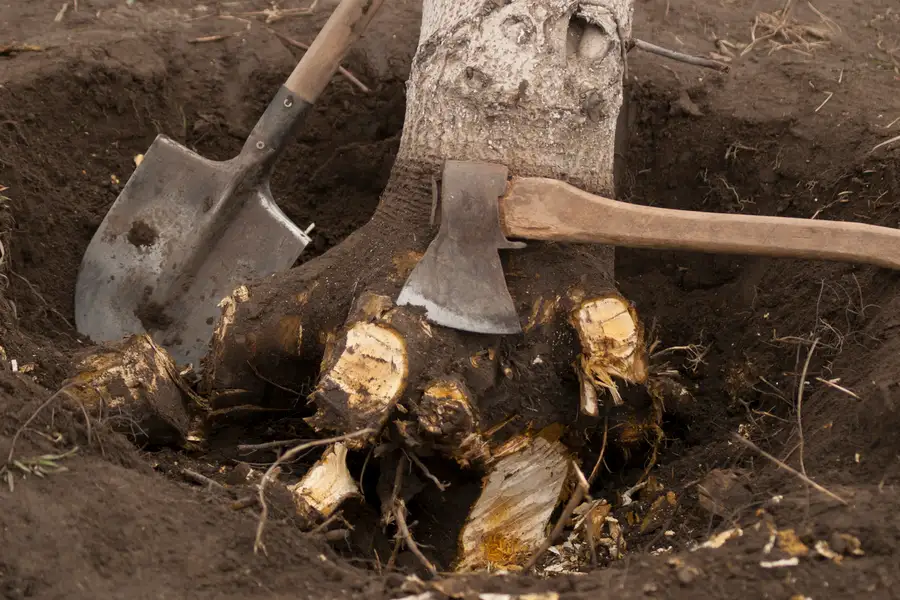
Some people try to deal with a stump on their own. That may work in a few cases, but it depends on the stump size, age, and root spread. Small stumps from young trees can sometimes be dug out by hand. People may use shovels, mattocks, and saws to break roots and lift the stump. This takes time and a lot of effort.
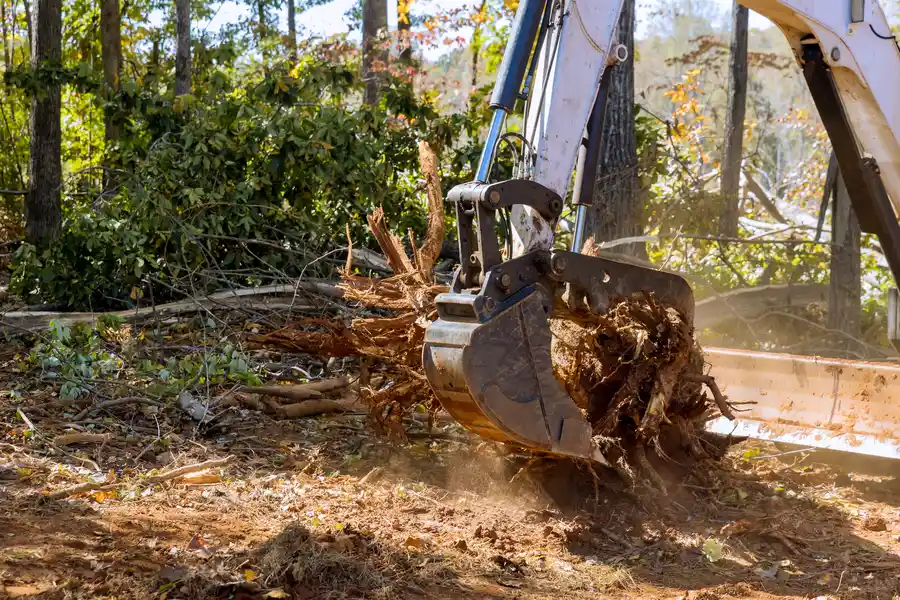
Another common method is grinding. This uses a machine to cut the stump down below ground level. It is often faster and cleaner than full digging. Still, the machine can be hard to handle without training, and hidden rocks or roots can create problems.
Burning or using chemicals may sound easy, but those options can create new risks. Fire can spread, and chemical products may affect nearby soil or plants. For larger stumps, stumps near structures, or stumps with wide root systems, professional help is often the safer choice. tree stump removal done the right way can save time and lower the chance of injury or yard damage.
Prevention Tips
The best way to avoid stump trouble is to deal with it soon after a tree comes down. Waiting often gives pests, rot, and root growth more time to spread. Once the stump is removed, keep the area level and clear. Add soil if needed, and watch for signs of old roots causing surface bumps.
It also helps to inspect the yard after storms or heavy rain. Wet ground can make hidden roots or decayed wood shift. If you had a tree removed months ago, check whether the old base is still affecting mowing, drainage, or foot traffic. A clean yard is easier to care for and easier to use every day.
If you are planning a patio, play set, garden, or fence, remove stump barriers before the project starts. That prevents delays and keeps the ground more even. Good planning now can help you avoid extra labor later.
Final Recommendation
If a stump is creating trip risks, pest problems, or yard care issues, it is smart to act before things get worse. In Walker, LA, changing weather can speed up rot and make hidden hazards harder to spot. At Independent Arborist, we help property owners clear problem stumps and open up safe, usable space again. If you want a simple next step, call us at (225) 938-6042 and we can help you decide what makes sense for your yard.